-
Total Active Hub
Small Steps, Big Rewards: How Just 20 Minutes of Walking a Day Can Transform Your Health

You might be amazed at how much of a difference a simple 20-minute walk can make in your overall well-being! Walking is an easy, low-impact exercise that almost anyone can participate in. And it’s something that you can do regularly, without needing any special equipment or gym membership. In this blog post, we will explore just how powerful the impact of walking can be on your health and how to overcome barriers to walking success. We will also share a few helpful tips to help you incorporate this little act of movement into your routine, regardless of how busy you might be.
The Benefits of Walking: Why Just 20 Minutes a Day Can Change Your Health
Walking is a type of aerobic exercise that gets your heart rate up and helps you breathe deeply, which enhances the flow of oxygenated blood throughout your body. In doing so, walking helps to activate various physiological systems in the body that contribute to positive health outcomes. For instance, walking has been shown to:
- Improve cardiovascular health by reducing blood pressure, lowering cholesterol, and decreasing the risk of heart disease
- Increase lung capacity and improve respiratory function
- Enhance bone density and help prevent osteoporosis
- Boost immunity and reduce the risk of chronic illness
Additionally, walking has various psychological benefits too! According to research, walking can help:
- Reduce stress and anxiety
- Promote feelings of well-being
- Enhance cognitive function, including creativity and memory
- Improve sleep patterns
- Combat depression
Why 20 Minutes?
Studies have identified that brisk walking for just 20 minutes a day can reduce the risk of premature death, in contrast to absolutely inactive individuals. The most significant impact was seen when the walking intensity was brisk, enough to achieve at least 70% of an individual’s maximum heart rate.
Small Steps, Big Rewards: How to Incorporate a Daily Walking Routine into Your Life
For most people, incorporating a daily walking routine is more achievable than other forms of exercise. Nonetheless, establishing a routine where you are walking regularly can pose a challenge. Below are a few practical tips:
- Make it convenient: Choose a walking route that is easily accessible, safe, and something that you enjoy
- Set realistic goals: It’s easier to make progress when you have SMART (Specific, Measurable, Attainable, Relevant, Time-based) goals. Start with simple markers, perhaps like a greater number of steps each day or walking for 5 minutes longer than the previous day.
- Get a walking buddy: Walking with a buddy can serve as a fun social activity, it can also provide accountability.
- Utilise a fitness tracker, these can help to keep track of your steps and distance so that you can focus on gradually increasing your distance.
How to Fit Walking into Your Schedule, Even on Busy Days
Even though it would be ideal to have a routine walking schedule, life can throw curveballs that will bring up new obstacles. Here are few tips on how to be more intentional:
- Wake up earlier: Try getting up 30 minutes earlier and walk before you start your day.
- Take the scenic route: Choose to walk rather than take the car if you are doing something locally.
- Break your day up: Use your scheduled breaks to go out for a quick walk, whether it’s during your lunch hour or coffee break
- Multitask: Consider a walking meeting or walking lunch with a friend, relative or co-worker
The Long-Term Impact of Regular Walking: How It Can Improve Your Overall Health and Well-Being.
The impact of walking can extend far beyond physical fitness. Physical activity can play a massive role in treating and preventing chronic diseases like depression or diabetes. Here are some of the measurable, long-term health benefits of walking:
- Reduced risk of chronic illness: Walking regularly has been shown to reduce the risk of chronic illness like diabetes, heart disease, and hypertension.
- Increased longevity: NHS recommends at least 150 minutes of moderate-intensity physical activity per week to improve overall longevity, and walking briskly for 20 minutes or more a day can significantly help you achieve this.
- Weight loss: Regular walking can help lower the risk of obesity by promoting increased energy expenditure and improved fat metabolism.
- Improved joint flexibility and mobility: Strengthening, conditioning, and stretching of the muscles and joints happen while walking. This helps to keep them healthy, improves posture and reduces the risk of falls.
Conclusion
So, as you can see, small changes in your daily routine, such as a brisk 20-minute walk, can add up long-term and make a significant impact on your overall health and well-being. It’s not an impossible feat, especially with the tips and practices shared in this blog post. As you continue on this journey, continue to make incremental progress towards your goals, and don’t forget to enjoy the moments of serenity and recreation provided by walking.
-

Pitfalls When Implementing a Physical and Wellness Program
blog
by
Total Active Hub
-

Unleash Your Inner Athlete
blog
by
Total Active Hub -

Benefits of Healthy Living for Optimal Well-Being
blog
by
Total Active Hub -

Physically active workers are more engaged and have better workplace wellbeing
blog
by
Total Active Hub
-
-
Success Stories
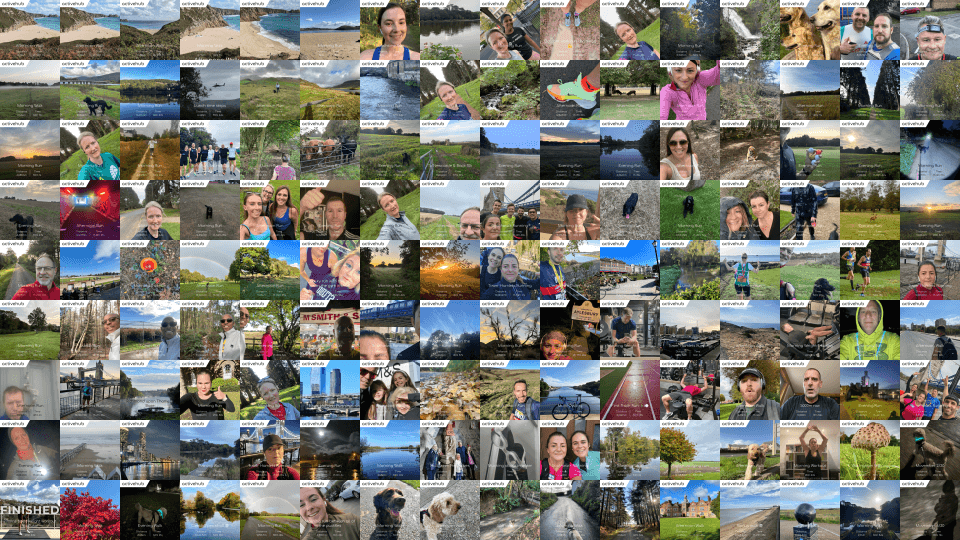
Every day, hundreds of activities are recorded across Total Active Hub, by users wanting to make a real difference to their physical health.
Our users are empowered by their employers to move at least 150 minutes per week whilst being rewarded with numerous incentives such as charity donations, trees and school meals.
Why not take a few moments to read and be inspired by our real-life success stories?